LISTENING SKILLS
Here are both brief and detailed notes on the topics related to Listening in Professional Communication for BTech 1st year course:
1. Listening vs. Hearing

Brief Notes:
- Hearing: Passive process of perceiving sound.
- Listening: Active process of understanding and interpreting sounds.
Detailed Notes:
- Hearing is the automatic, physiological act of perceiving sounds through the ear, which doesn’t necessarily involve comprehension.
- Listening, on the other hand, is a conscious effort where the listener pays attention, processes, and understands the speaker’s message.
- Difference: Hearing is involuntary and passive, while listening is active and requires engagement and effort.
2. Role of Effective Listening in Communication
Brief Notes:
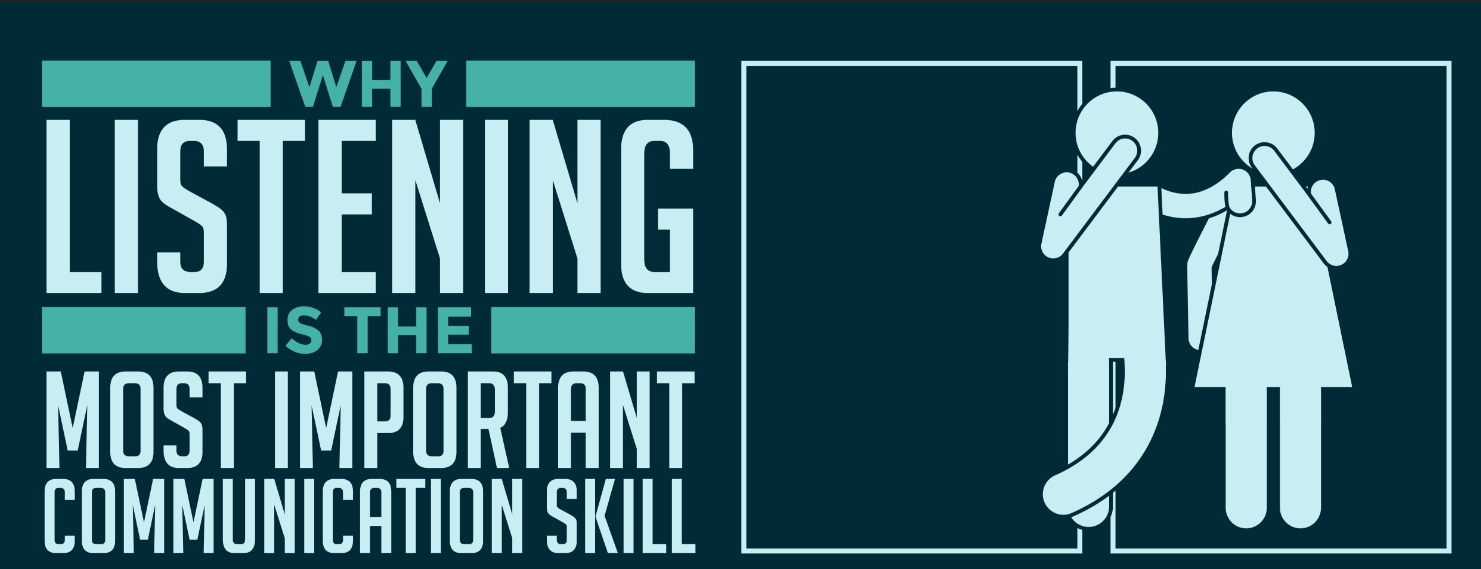
- Builds relationships, prevents misunderstandings, and enhances productivity in professional settings.
Detailed Notes:
- Builds Trust and Rapport: When you listen attentively, it shows respect and empathy, fostering stronger interpersonal relationships.
- Prevents Misunderstandings: Careful listening reduces the likelihood of miscommunication or errors, especially in professional environments.
- Improves Decision-Making: By understanding the full context of conversations, more informed and sound decisions can be made.
- Increases Productivity: Teams with effective listening skills work better together, ensuring that tasks are well-understood and completed efficiently.
3. Types of Listening
Brief Notes:
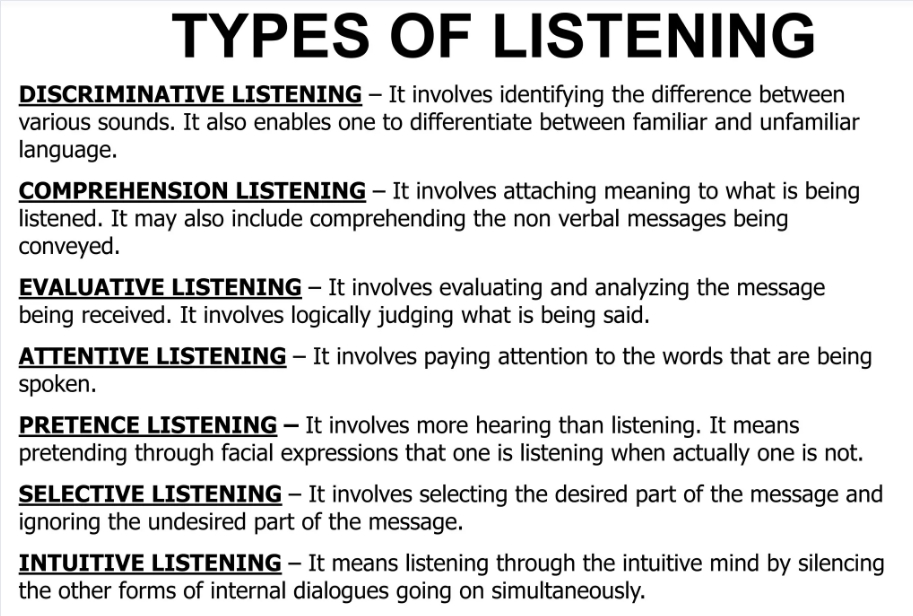
- Active Listening: Fully engaged and attentive.
- Passive Listening: Listening without response or feedback.
- Critical Listening: Evaluating and analyzing information.
- Empathetic Listening: Understanding the speaker’s emotions.
- Comprehensive Listening: Focused on understanding and retaining information.
Detailed Notes:
- Active Listening: Requires full attention, with feedback provided through verbal and non-verbal cues. Encourages deeper engagement and understanding.
- Passive Listening: Involves hearing the message without providing feedback or engagement. Common in situations where the listener is not required to respond.
- Critical Listening: Used when assessing or evaluating the content of the message. Important in situations requiring judgment or decision-making.
- Empathetic Listening: Focuses on understanding the emotions or feelings behind the speaker’s message. Builds trust and connection.
- Comprehensive Listening: Focuses on understanding the details and information in order to retain it for future use (e.g., in lectures or instructions).
4. Poor Listening Habits
Brief Notes:
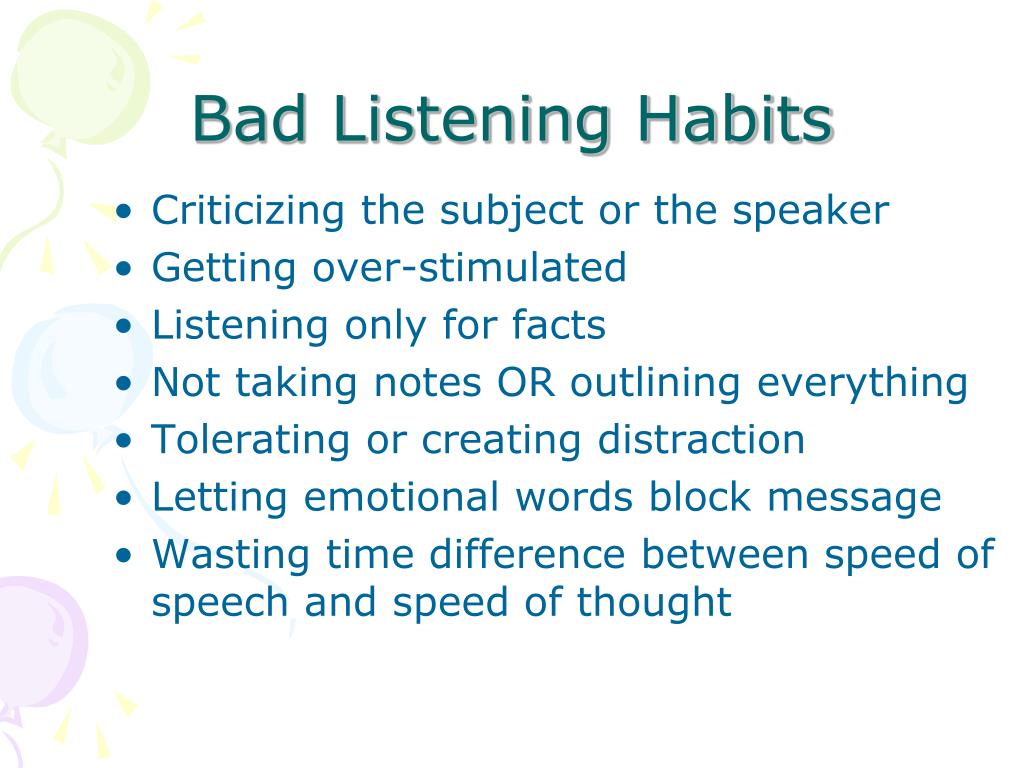
- Interrupting, selective listening, distractions, prejudging, and daydreaming.
Detailed Notes:
- Interrupting: Cutting off the speaker before they finish their thought, which can lead to incomplete understanding and frustration.
- Selective Listening: Only paying attention to parts of the conversation that interest the listener, leading to missed or incomplete information.
- Distractions: Letting external or internal factors (like noise or personal stress) interfere with paying attention to the message.
- Prejudging: Forming conclusions before the speaker has finished, which leads to misunderstanding and biased interpretation.
- Daydreaming: Letting the mind wander, resulting in missing key points of the conversation.
5. Active Listening – An Effective Listening Skill
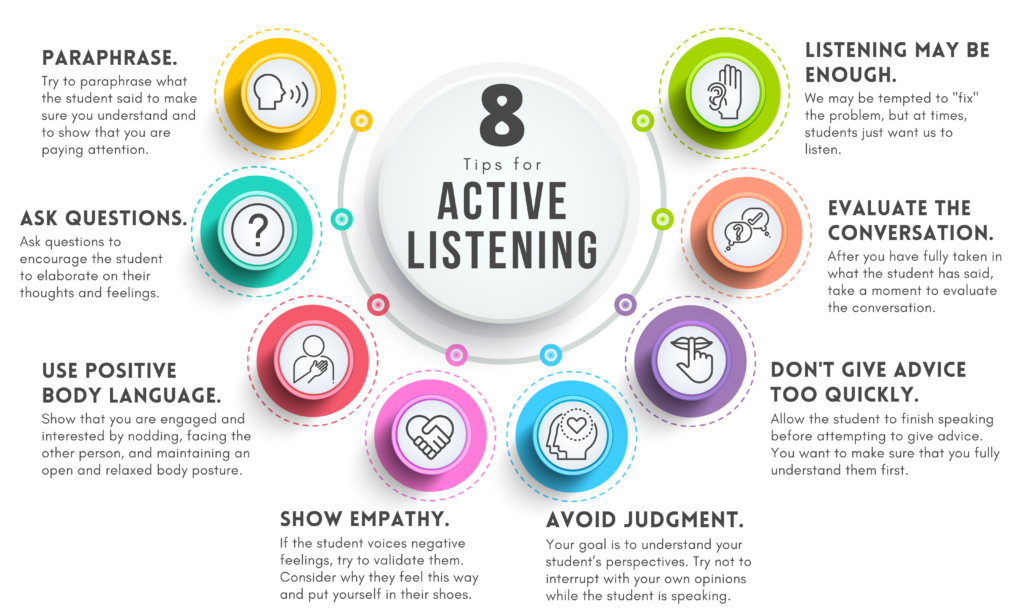
Brief Notes:
- Requires full engagement, providing feedback, and demonstrating attentiveness.
Detailed Notes:
- Concentration: Focus completely on the speaker, avoid distractions, and refrain from interrupting.
- Feedback: Provide responses, either through verbal affirmations like “I see” or non-verbal cues like nodding to show understanding.
- Clarification: Ask questions or paraphrase the speaker’s points to ensure clarity and confirm understanding.
- Non-verbal Cues: Maintain eye contact, show attentive body language, and use facial expressions that reflect interest and understanding.
6. Traits of an Effective Listener
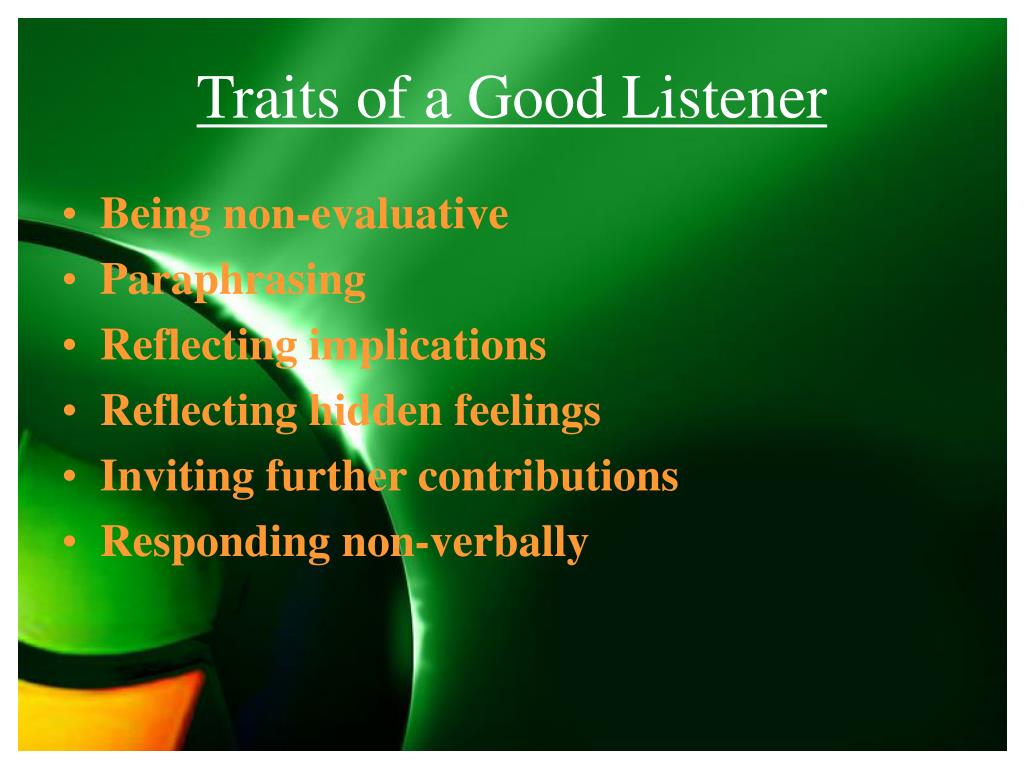
Brief Notes:
- Attentiveness, patience, empathy, open-mindedness, and clarity-seeking.
Detailed Notes:
- Attentiveness: Paying close attention to both verbal and non-verbal cues.
- Patience: Allowing the speaker to finish their thoughts without rushing or interrupting.
- Empathy: Understanding and connecting with the speaker’s emotions, showing genuine concern.
- Open-mindedness: Listening without bias or judgment, remaining open to new ideas or perspectives.
- Clarity-Seeking: Asking questions or seeking further explanation to ensure full comprehension of the message.
7. Barriers to Effective Listening
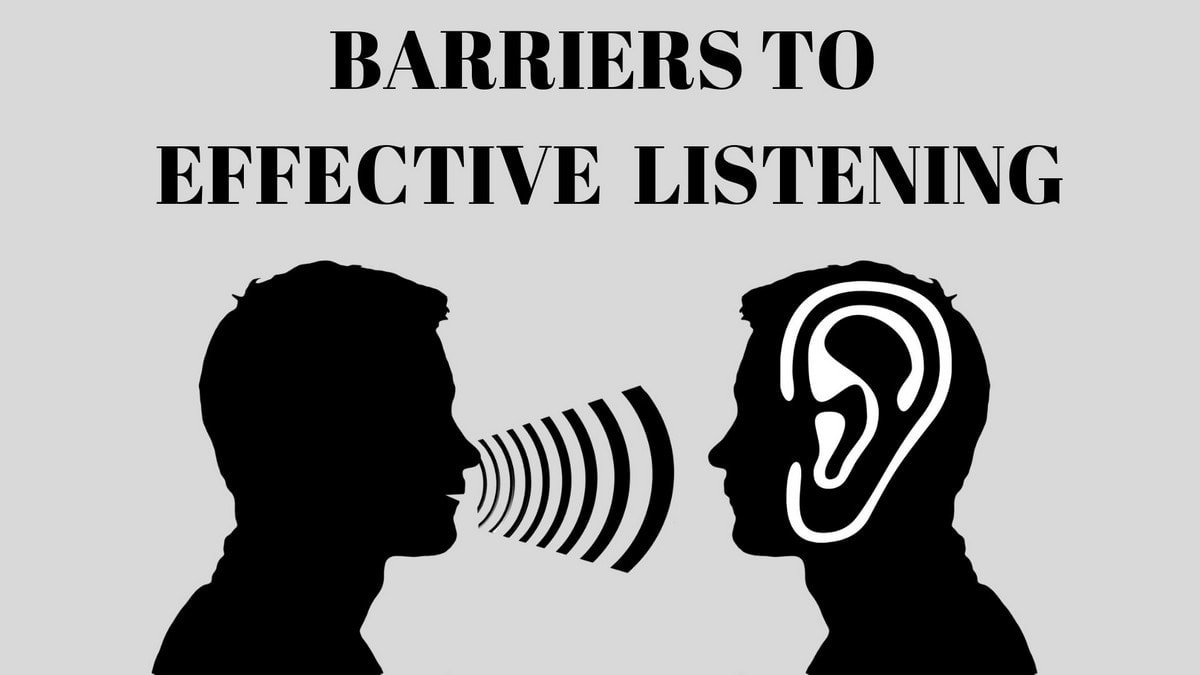
Brief Notes:
- Physical, psychological, emotional, and personal distractions; information overload; preconceived notions.
Detailed Notes:
- Physical Barriers: Environmental factors like noise, poor acoustics, or technical issues during communication.
- Psychological Barriers: Personal biases, assumptions, or prejudices that influence how a message is perceived.
- Emotional Barriers: Strong emotions such as stress, anger, or frustration that prevent clear understanding of the message.
- Personal Distractions: Internal distractions like fatigue, hunger, or preoccupation with personal issues.
- Information Overload: Receiving too much information at once can cause confusion and lead to selective attention.
- Preconceived Notions: Forming judgments or conclusions before fully listening to the message, leading to misunderstandings.
These notes should help you in your Professional Communication studies.